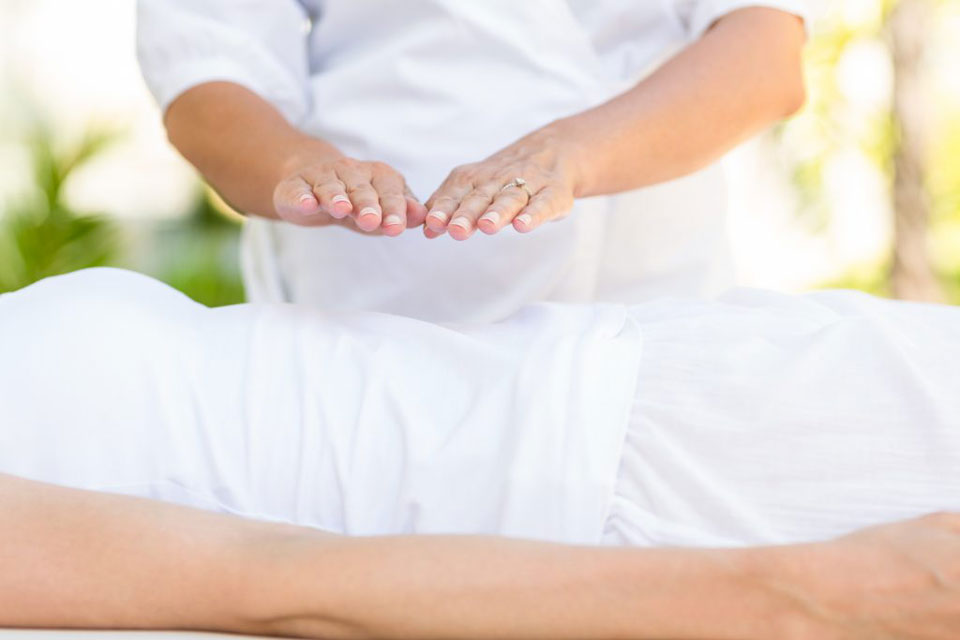
Reflexology works by applying pressure to certain areas on the feet, known as reflexes, to gently stimulate the corresponding eight systems of the body.
Fitness and Mobility
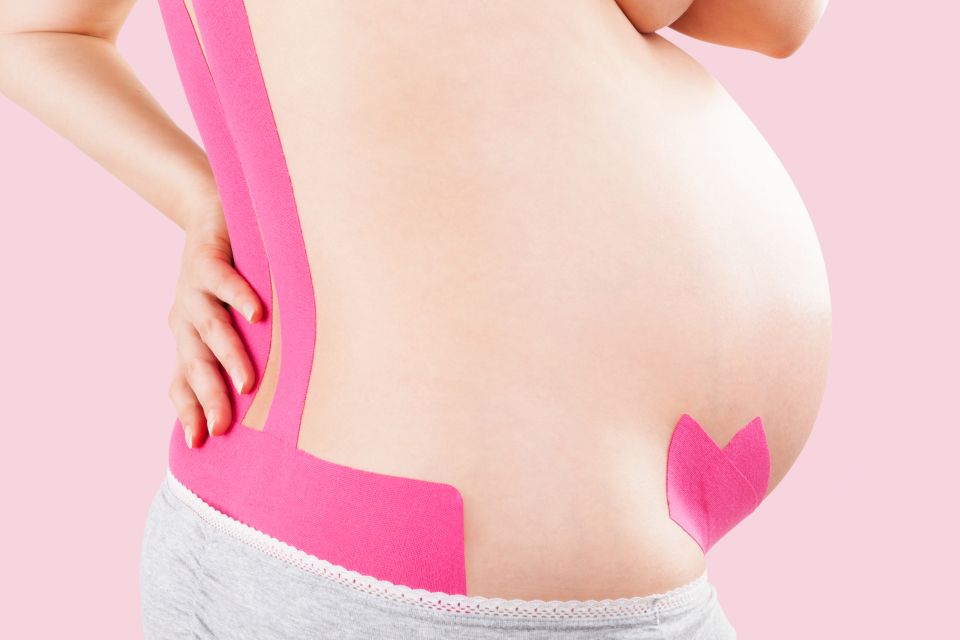
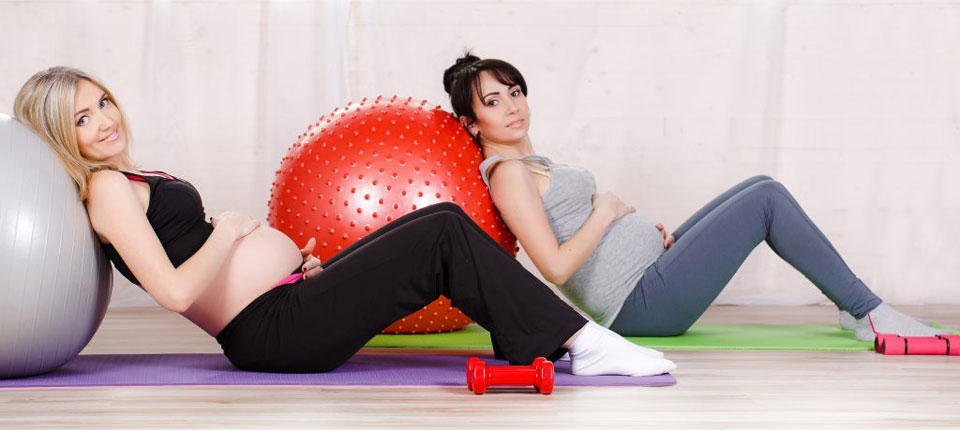
 During your nine months of pregnancy and for some time after the birth of your baby, your body undergoes an amazing transformation. Major physiological changes take place, some of which can have a big impact. Control over your body during this period is vital both for you and your baby. We help tailor an individual fitness regime to help you stay fit during your pregnancy and quickly shed any excess baby weight during your postpartum period.
Have You Tried Yoga?
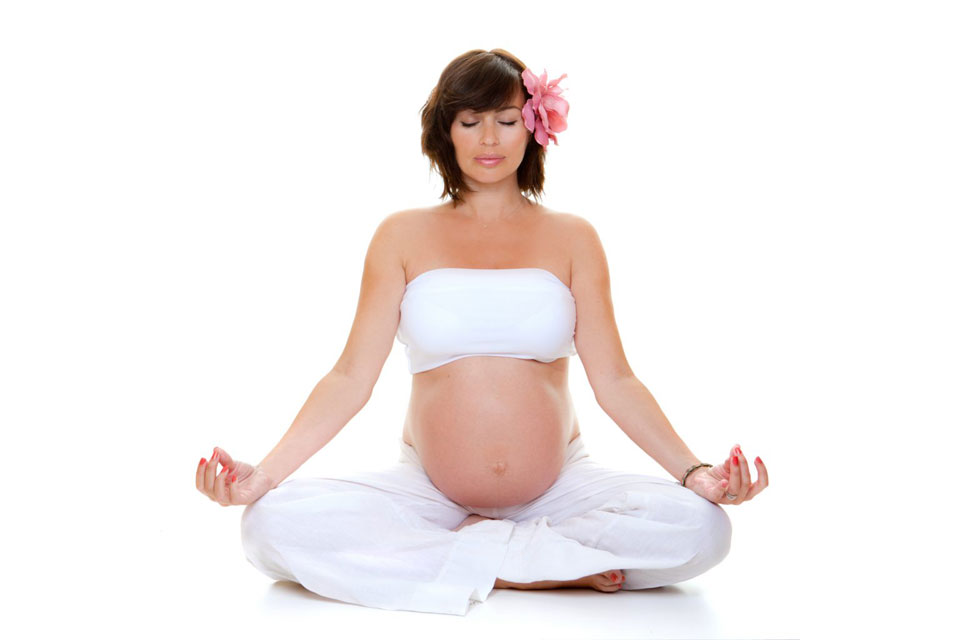
Regular yoga practice is an excellent way to improve your physical, mental and emotional wellbeing. Different forms suit any fitness level, focusing on harmony between mind, body and breathing. Harmony is achieved through physical exercises and postures (asanas), breathing exercises (pranayama), relaxation, and meditation. Safe throughout pregnancy, with a few modifications, yoga can help you stay fit, strong and supple.
Most classes last some 90 minutes, starting with a warm–up to stretch back, arms and legs. After that, a sequence of postures help ease muscle tension, boosting strength, endurance, circulation, muscle tone and flexibility. Finally, classes round off with a relaxation or guided meditation to help you wind down and feel calm, refreshed and alert.
Have You Tried Pilates?
Pilates is popular both during and outside of pregnancy, improving core stability, posture and strength. Along with greater stamina and flexibility, you will learn to control your breathing and relax your body.
If you have never practised Pilates before, we recommend that you wait until you are 12 weeks pregnant before starting. You can then practise Pilates right the way up until your birth and start again as soon as you have had your 6–week check.
Prenatal classes concentrate on strengthening the muscles used to support your growing baby and will help relax any tension that builds in your back, shoulders and feet, where the weight of your baby causes the most strain. Strengthening your abdominal and pelvic floor muscles will also help during labour: many clients have reported a shorter labour and reduced need for pain relief during birth.
Following the birth, Pilates will aid a speedier recovery and can also help reduce the aches and pains sometimes associated with pregnancy and breastfeeding.
Before joining a prenatal or postnatal class, you will be asked to fill in a questionnaire providing more detailed information about your pregnancy or the birth.
If you are new to the studio, we will also ask you to attend a Pilates assessment with one of our Chartered Physiotherapists who will study your questionnaire, take a detailed medical history and teach you the principles of Pilates so that you can get the best out of your classes. If you have any specific concerns such as pelvic pain or a diastasis recti, you can discuss this with the physiotherapist at the time of the assessment.
We look forward to helping you stay healthy, fit and strong during this important part of your life!