We live in a time where a mix of information, medically proven therapies & treatments are available, all designed to improve fertility.
Menopause
 At the end of our reproductive years, all women will undergo the menopause. This natural ageing process normally commences at around the age of 50 and can have some unpleasant symptoms. These are made worse by exposure to rising levels of hormones in the Western diet, particularly in milk, chicken and beef. These artificial hormones also cause many girls to develop breasts and commence puberty at a younger age than in previous generations, while some boys may even develop female breast tissue.
On the other hand, women may also develop symptoms of early menopause from their mid–30s and 40s. The endocrine network is one of the most fragile systems in our body, and is also influenced by the stresses of modern life and environmental pollution.
All of these factors can worsen and prolong the well–known symptoms of the menopause, such as mood swings, hot flushes, insomnia, fluctuations in weight, and bone loss.
In menopause, levels radically decline in the female hormones oestrogen and progesterone, which govern the female reproductive cycle. Dropping levels of oestrogen affect bone density, and may develop into osteoporosis, osteomalacia or related conditions.
Oestrogen and progesterone production are regulated from the anterior pituitary gland, itself controlled by the hypothalamus region of the brain. The control centre of our physical systems, the hypothalamus coordinates much of how our bodies function following signals from the internal organs and visual system, which arrive via the spinal cord. Information comes also from other areas of the brain, such as the thalamus and limbic system, which synchronise basic functions such as consciousness, emotional state, alertness, sexual desire, thirst and hunger, body temperature, and how well you sleep.
Alternative therapies may help ease symptoms of the menopause.
Chiropractic Care
 Chiropractic care focuses on the health of your nervous system and spine, through which your spinal cord runs. Under stress, the nervous system initiates a drop in oestrogen and progesterone production, exacerbating symptoms of the menopause. Your spine may misalign if your work or lifestyle involve long periods of sitting or high levels of stress, or through consuming preservatives in foods. Even the prospect of the menopause can stress the nervous system, alongside juggling the demands of work, family and finances.
Our service strongly recommends regular analysis by a licensed Chiropractor of your spine through specific Chiropractic care, orthopaedic, neurological and kinesiological testing. A tailored course of treatment will then gently correct any misalignments to remove interference to your nervous system and restore full function to your hormonal system. Menopause is only one of the many health issues that Chiropractic helps stabilise.
Fitness & Mobility
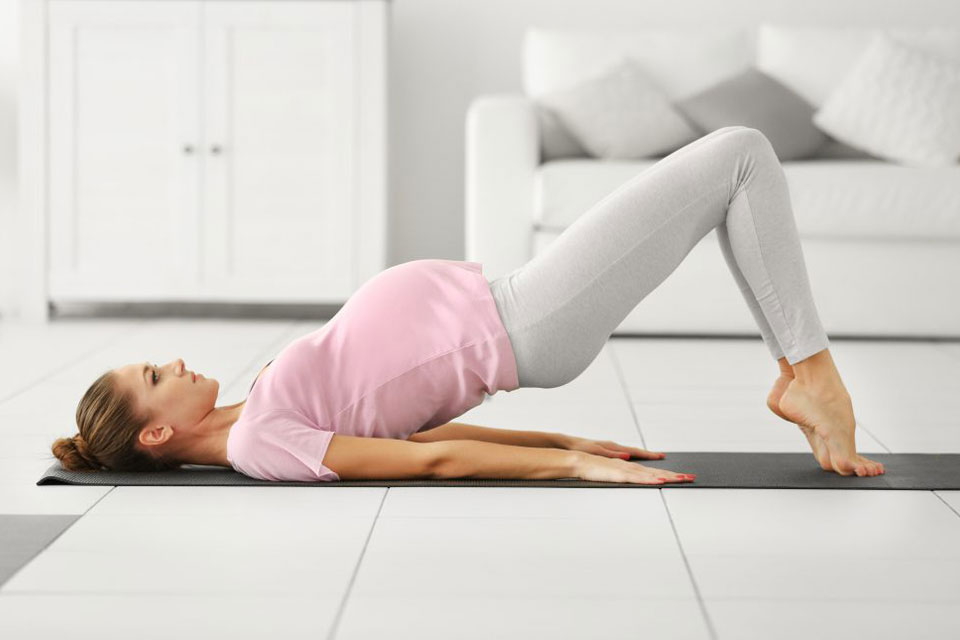
Walking, swimming and yoga are top on my list of recommended forms of exercise to help regulate your nervous system. Yoga practice will stimulate and increase flexibility in your spine and joints. Learning to control your breathing through yoga will also promote oxygen flow to your brain. In addition, a systematic programme of weight-bearing activities and light weights will help combat the bone loss associated with the menopause. Aim to exercise regularly, at least four times a week. For the best effects, include periods of high-intensity exercise.
Nutrition & Supplements
Food supplements such as natural progesterone in the form of wild yam have been proven effective in raising oestrogen levels.
Soy products may also help women in menopause, although soy itself is a common allergen, and excess quantities will further stress the hormonal system; it’s commonly used in milk substitutes for those who are lactose intolerant. We have deliberately excluded non–fermented soy from this list, such as soya milk and tofu, as these can be harmful to your hormonal health.
Certain allopathic remedies such as black kohosh are recommended by many branches of medicine for increasing levels of oestrogen and reducing hot flushes. It may be an effective natural alternative to synthetic hormone replacement therapy (HRT). Natural sources of B vitamins and vitamin E are also widely endorsed for supporting general female health and helping with the menstrual cycle and menopause.
Generally speaking, natural approaches are better and healthier for your body and wellbeing, with synthetic sources of vitamins saved as a last resort. Regardless of what approach you take, simply seeking Chiropractic care, exercising regularly, eating as many ‘hormone-free’ foods as possible (read the labels), supplementing with natural progesterone, and getting proper rest will help regulate and balance your hormonal system as well as manage and diminish the effects of menopause. In particular, lack of sleep directly stresses and affects the hormonal system.
Decaf green tea is high in polyphenols and antioxidants that help detox your body of chemicals that worsen menopausal symptoms. Decaf green tea has been shown to help prevent breast cancer and offers benefits similar to those of HRT, but without side effects. I recommend you buy loose-leaf green tea and mix it with peppermint, chamomile or any other favourite herb tea.
Healthy phytoestrogens found in macca, licorice and alfalfa sprouts greatly help ease menopausal symptoms. These plant-based sources of oestrogen help balance day-to-day oestrogen levels. Try them in a smoothie before the onset of menopause to minimize or prevent the arrival of symptoms.
Omega-3 fats help reduce inflammation in your body and aid in the healing process. Chia seeds, wild coldwater fish (such as salmon and halibut) and krill oils are rich in omega-3 fats.
Control glucose and insulin levels by eliminating all grains, processed foods, refined sugars and alcohol, and focus your fruit intake on berries and Granny Smith apples. Try banning gluten, grain, pasta and similar starchy carbs from your diet for one month and see the difference it makes! Choose organic foods,
Foods rich in magnesium and vitamin B such as kale, spinach, avocados, halibut, dark chocolate and lentils are proven to help reduce menstrual irregularities by enhancing function in the nerves to the reproductive organs, as well as buffering your mood.
Help your body detox with a liver and gall bladder cleanse. The liver removes excess oestrogen from the body: as well as producing our own, most people absorb oestrogen from plastics and processed foods. This detox helps prime your liver and balance your hormonal system.
Vitamin D can only be taken as a supplement or be manufactured by our bare skin when exposed to sunlight. To boost your immune system and combat our generally low levels of sunlight in the UK, take a daily dose of vitamin D3 4000–6000IUs from a reputable supplier such as Garden of Life. Your bones, internal organs and general health will also thank you for it!
Reflexology and Reducing Symptoms
If you are overwhelmed by the changes experienced in menopause, consider going to a reflexologist or try a few reflexology methods on your own. Reflexology offers an opportunity to influence hot flushes and other symptoms by working on trigger points connected to the thyroid and pituitary glands, nervous system and blood supply for better circulation, as well as organs such as the uterus, the ovaries, and liver that can affect your hormone levels. Manipulation of specific trigger points may clarify which areas of your body are most under stress.
Acupuncture
Studies showed no difference in low mood in women who received acupuncture compared with those who received sham acupuncture.
Herbal Treatments
Since May 2011, alternative healthcare products have been subject to similar stringent regulations as those applied to prescribed conventional medications by the medicines regulator MHRA. Products vetted under the Traditional Herbal Medicine Scheme now carry a THR logo, demonstrating that they are of an appropriate dosage, of high quality and have suitable printed product information detailing drug interactions and potential side effects included in the pack. It is therefore advisable to select only products bearing the THR logo, or to seek advice from qualified healthcare professionals.
Chinese Herbal Medicine
Research has shown no evidence that Chinese herbal medicine can reduce menopausal symptoms, and again there are cautions about safety profiles and interactions. Other herbal treatments including Ginseng showed no evidence of reducing anxiety or low mood.
St John’s Wort
Studies have proven that St John’s Wort can relieve blood pressure symptoms, particularly in women with a history of, or at high risk of breast cancer. Evidence is lacking, however, to show that St John’s Wort has any impact on reducing anxiety or low mood.
St John’s Wort does interact with other drugs, in particular with Tamoxifen, and so cannot be used in patients with breast cancer who are taking this medication. Further significant drug interactions associated with St John’s Wort cause the MHRA to question its reliability regarding effective dosage and safety profiles.
For further information, please read Chirowebs: Treating the Female Patient.